
 For Quick Support call 0800 423 8837
 For Quick Support call 0800 423 8837
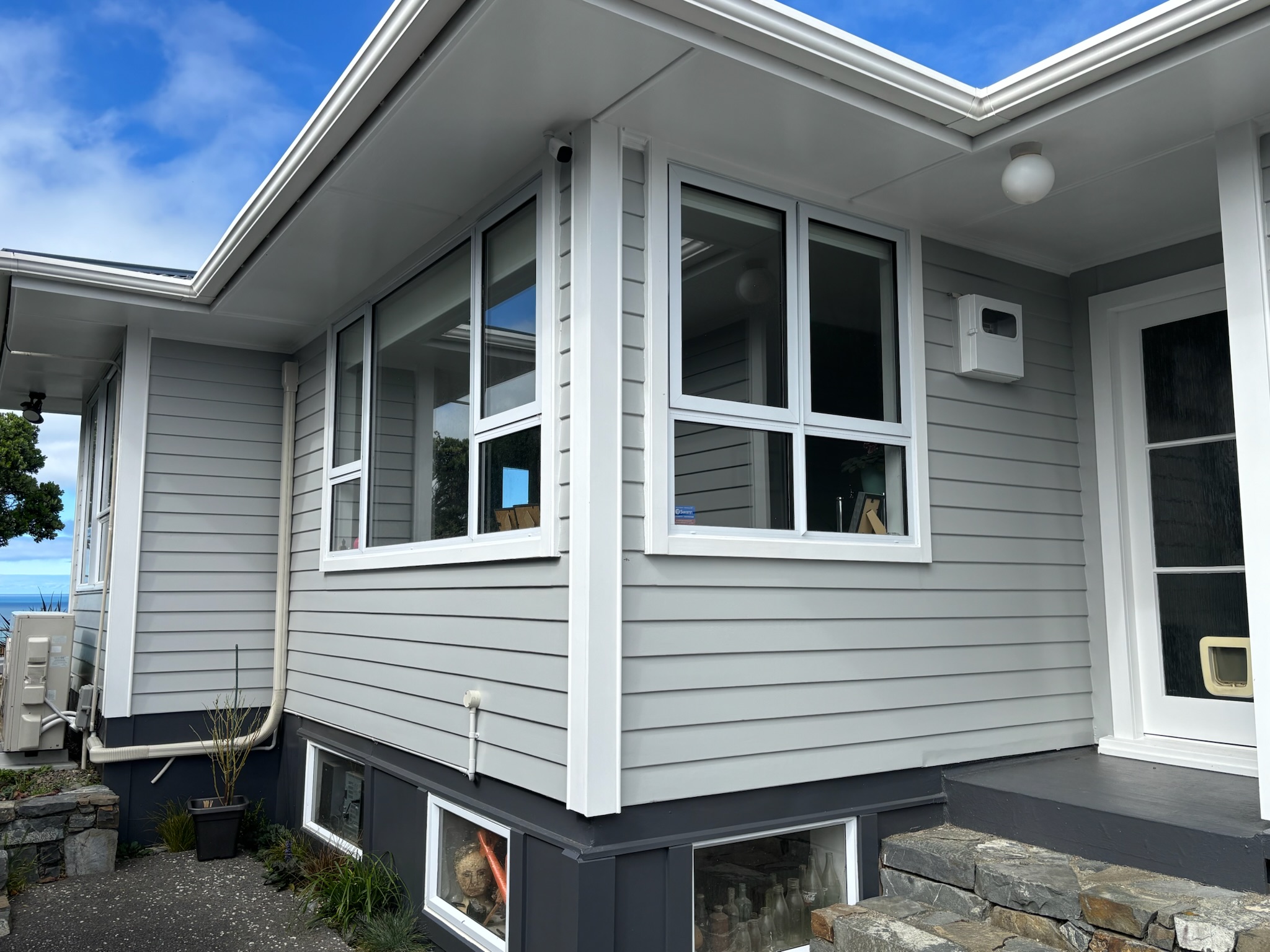
You’ve been staring at those walls for months now. You’ve been staring at the scuff marks in the hallway, the faded patches where pictures used to hang, and that one bedroom where the colour just never quite worked. You know the house needs painting. But the moment you start thinking about cost, the whole idea gets pushed to “maybe next year”.
Here’s the thing. Painting a 3-bedroom house in New Zealand doesn’t have to be a financial mystery. The numbers are more predictable than most people assume, as long as you understand what actually drives the price up or keeps it reasonable.
For homeowners working with experienced house painters in Lower Hutt , the cost of painting a standard 3-bedroom home generally falls into two categories: interior and exterior. Both vary depending on the condition of the house, the prep involved, and the quality of products used.
As a general guide for 2025:
Wellington-region pricing tends to sit slightly above the national average due to local labour rates and the weather-related preparations that older Hutt Valley homes often require.
The number of bedrooms is a starting point, but it’s not the full picture. Two 3-bedroom houses on the same street can have very different quotes. Here’s why.
This is the biggest factor most homeowners don’t think about. If the walls are smooth and well-maintained, the prep work is minimal. But flaking paint, moisture damage, cracks, or the removal of old wallpaper all adds hours to the job. And in painting, preparation is where most of the labour goes.
A 3-bedroom home could be 90 square metres or 180 square metres. Ceiling height matters too. Standard 2.4-metre ceilings are quicker to paint than older homes with 3-metre ceilings or raked rooflines. More surface area means more paint and more time.
Most repaints need two coats over a primer or sealer. But darker colours, patchy surfaces, or dramatic colour changes might require three. Each extra coat increases material and labour costs.
Single-storey homes are simpler and cheaper to paint. Multi-level properties, steep sections (common around the Hutt Valley hills), or homes surrounded by established gardens all need scaffolding or specialist access. That alone can add between $500 and $2,500 or more to the total.
Not all paint is equal. Budget paint might save money upfront, but it fades faster and doesn’t hold up well against Wellington’s wind and moisture. Higher-grade products from brands like Resene or Dulux cost more per litre but last significantly longer, which means fewer repaints over time.
There are smart ways to manage the budget without compromising on quality.
Painting the interior and exterior at the same time is usually more cost-effective than splitting them into separate jobs. One project absorbs the setup, travel, and coordination costs instead of two.
Choosing a consistent colour palette with fewer accent walls also reduces time and waste. Every colour change requires cleaning equipment, tapping edges, and switching products.
If the budget is tight, consider prioritising the areas that require the most attention. Maybe the exterior is weathered, but the bedrooms are still fine. A good painter can help you stage the work over time so you’re not paying for everything at once.
The cheapest quote isn’t always the best value. A low price might mean skipped prep, thinner coats, or inexperienced painters who take twice as long. On the other hand, the most expensive quote doesn’t automatically guarantee better results either.
What to look for is a detailed, written quote that breaks down what’s included: prep work, number of coats, paint type, and any extras like scaffolding or repairs. If the quote is a single line with a lump sum, that’s worth questioning.
A proper on-site assessment is always better than a phone estimate. Every home has its own quirks, and a painter who takes the time to look at the surfaces, check for damage, and discuss the scope with you is far more likely to deliver a result that lasts.